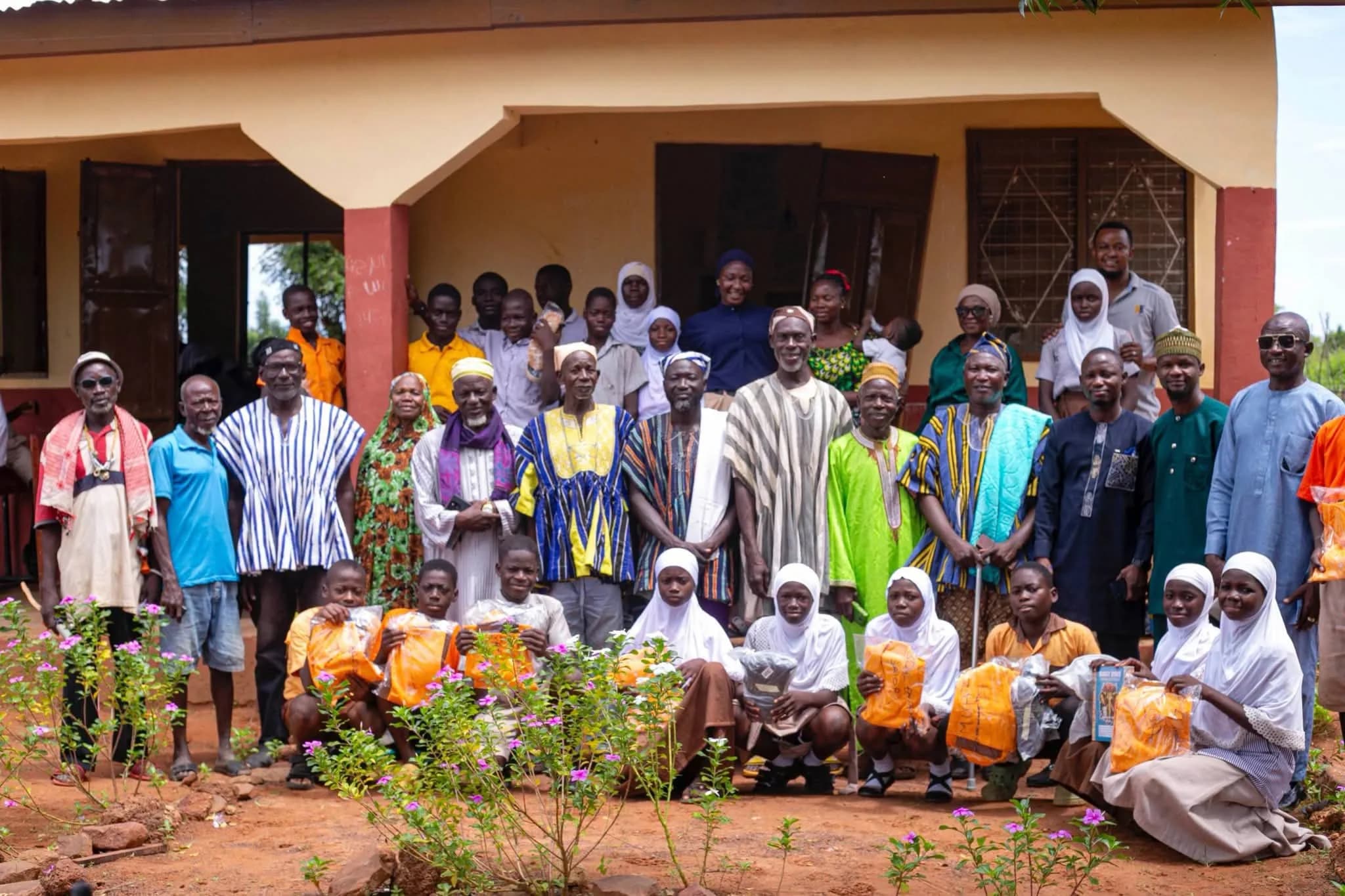
Cultural heritage: Wungu Naa climaxes 2026 Damba Festival with call for peace and unity in Mamprugu
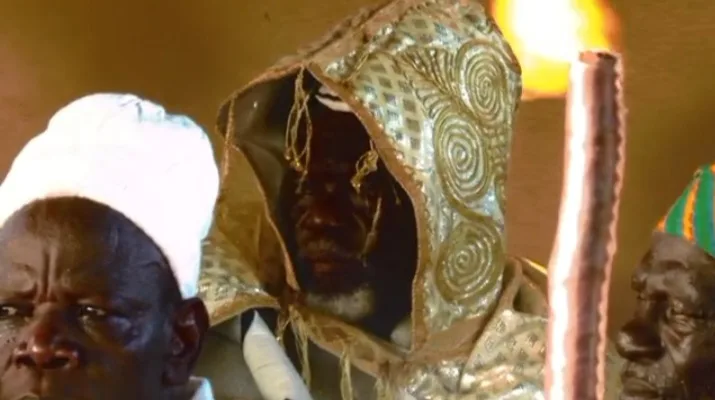
The Paramount Chief of the Wungu Traditional Area, Naa Salma Issahaku Mahamudu, has called on his people to uphold peace, unity and peaceful coexistence as essential pillars for the development of Mamprugu. The call was made during a colourful durbar held on Monday, August 24, 2026, to climax the celebration of the 2026 Damba Festival in Wungu.
The durbar brought together traditional rulers, Queen Mothers, religious and community leaders, youth groups, as well as sons and daughters of the Wungu Traditional Area from Ghana and abroad.
Damba is one of the major traditional and royal festivals celebrated in northern Ghana, particularly among the Dagbon, Mamprugu, Gonja and Nanumba kingdoms.
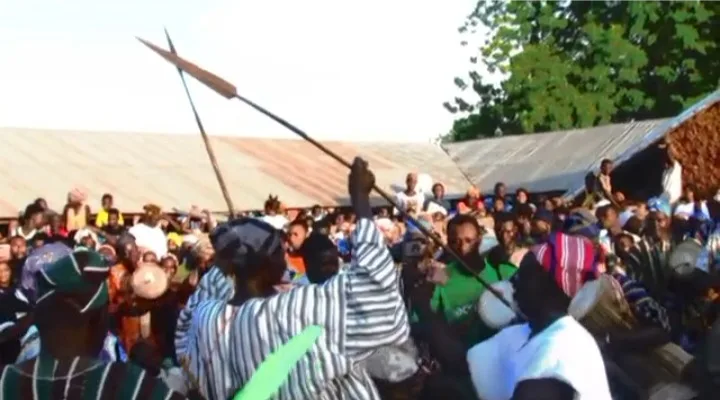
The festival provides an opportunity for communities to celebrate their rich cultural heritage, history and traditional institutions, while also commemorating the birth of the Holy Prophet Mohammed (S.A.W).
Speaking on behalf of the Paramount Chief, his spokesperson, Tongu Yidana, said Damba remains an important event on the cultural calendar of the Gbewaa fraternity.
He explained that the festival provides an opportunity to reaffirm the unity, shared heritage and common ancestry of the descendants of Naa Gbewaa, while strengthening bonds among the various traditional communities.
Yidana therefore urged the people to use the occasion to promote peace, unity and development, stressing the need for the people of Mamprugu to work together towards the advancement of the area.
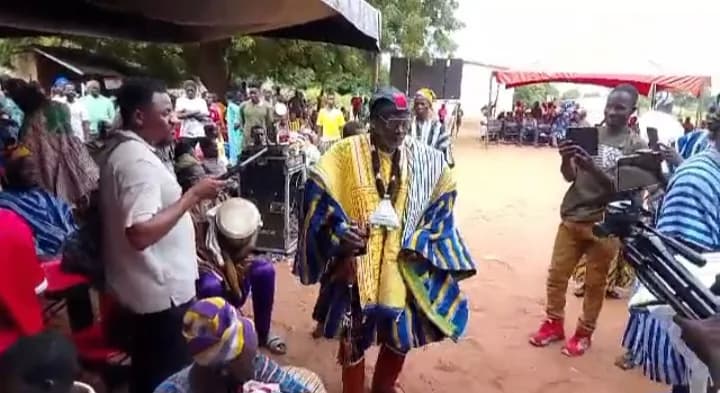
Meanwhile, the Municipal Director of the National Commission for Civic Education (NCCE) for the West Mamprusi Municipality, Issahaku Thomas Imoro, called on young girls to abstain from premarital sex to help curb teenage pregnancy.
Addressing the durbar, Imoro expressed concern over the impact of teenage pregnancy on the education and future prospects of young girls in the municipality.
The 2026 Damba Festival in Wungu was celebrated under the theme: “Unity, Heritage, Peace and Progress,” highlighting the traditional area’s commitment to preserving its cultural heritage while promoting peace, unity and sustainable development.